1 Class Per Week1.5 Hours/ClassG3 – 6

inspirED Creative Writing

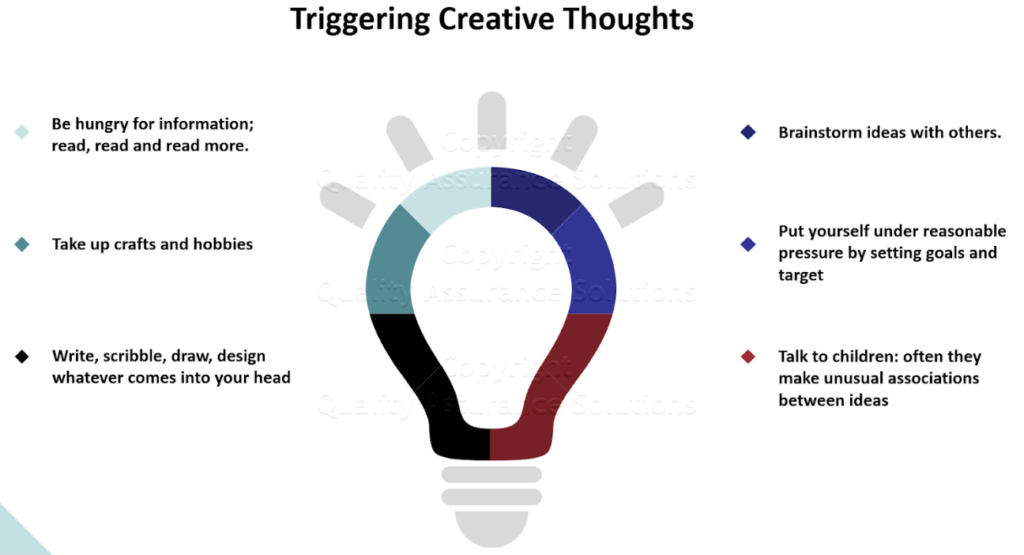
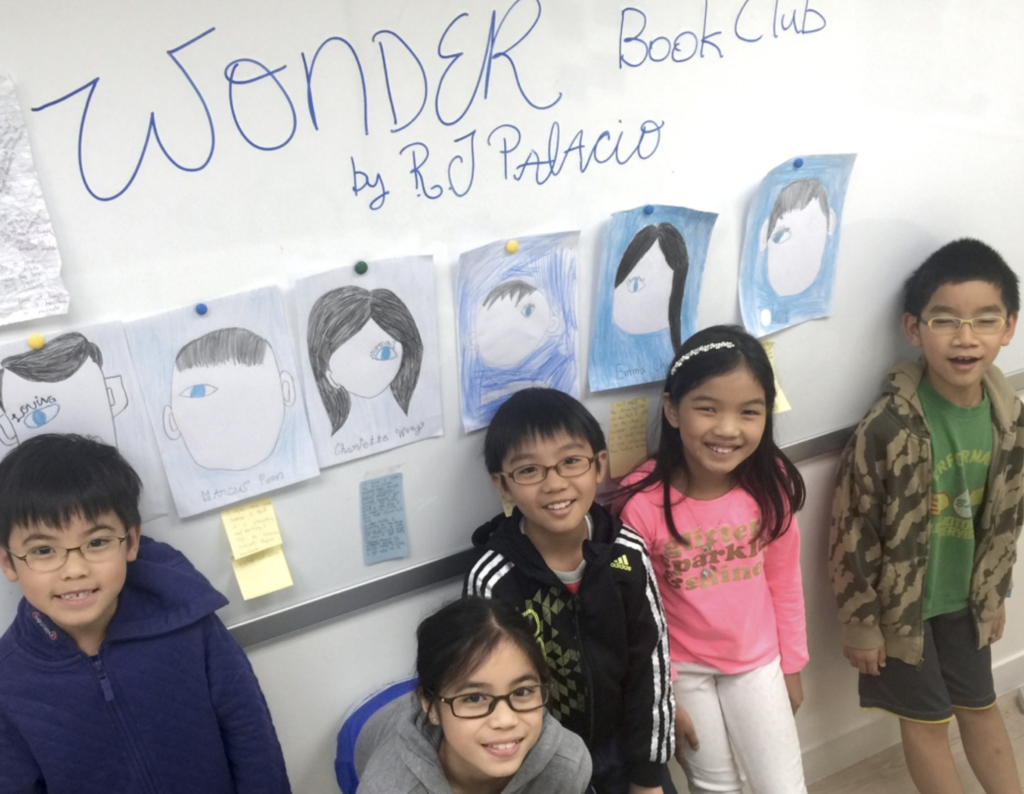
Our inspirED Creative Writing program equips Grade 3-6 students with the essential skills and strategies to harness their innate creativity and transform it into polished, imaginative written works.

Learning Objectives

1.

Mastery of the Six Traits of Writing

  • Ideas: Developing a clear and focused central message, supported by relevant details, examples, and evidence.
  • Organization: Structuring the writing in a logical and coherent manner, with an engaging introduction, well-developed body paragraphs, and a compelling conclusion.
  • Voice: Establishing a distinct and authentic authorial presence, conveying the writer’s unique personality, perspective, and tone.
  • Word Choice, Sentence Fluency, and Conventions: Utilizing precise and vivid language, crafting varied and rhythmic sentences, and adhering to the rules of grammar, spelling, and punctuation.
shape_1 line_1

2.

Techniques for crafting stories that captivate readers

  • Engaging the Senses: Incorporate vivid descriptions that appeal to the reader’s senses (sight, sound, smell, taste, touch) to immerse them in the scene and create a more immersive reading experience.
  • Figurative Language: Employ metaphors, similes, and other figures of speech to draw compelling comparisons and make the description more evocative and memorable.
  • Precise Word Choice: Select specific, evocative words that convey the exact meaning and nuance you wish to communicate, avoiding vague or generic language.
  • Dynamic Descriptions: Utilize a combination of static and dynamic descriptions, blending vivid details with a sense of movement and action to keep the reader engaged and captivated.
shape_2 line_2

3.

Fluency with the full writing process

  • Ideation and Brainstorming: Ability to generate and explore a variety of ideas, topics, and creative approaches through techniques like mind mapping, free-writing, and research.
  • Drafting and Structuring: Skill in organizing thoughts, developing an effective structure, and producing multiple drafts to refine the writing.
  • Revising and Editing: Proficiency in critically analyzing the work, identifying areas for improvement, and making substantive changes to enhance clarity, cohesion, and impact.
  • Proofreading and Polishing: Attention to detail in catching and correcting mechanical errors, such as grammar, spelling, and punctuation, to ensure a polished final product.
shape_3 line_3

4.

Strategic utilization to maximize organization and frameworks

  • Graphic Organizers: Proficiency in using a variety of visual tools, such as mind maps, Venn diagrams, and concept webs, to organize ideas, explore connections, and plan the structure of the writing.
  • Outlining Techniques: Ability to create detailed outlines that establish a clear and logical flow, with well-defined main ideas, supporting points, and transitions.
  • Narrative Frameworks: Understanding of narrative structures, such as the five-part plot structure (exposition, rising action, climax, falling action, resolution), to effectively shape and develop stories and personal narratives.
  • Expository Patterns: Knowledge of common expository organizational patterns, like compare-contrast, cause-effect, and problem-solution, to enhance the coherence and clarity of informative and persuasive writing.
shape_4 line_4

5.

Experience responding to a diverse array of creative writing styles and activities

  • Adaptability to Varied Prompts: Ability to effectively respond to a wide range of creative writing prompts, including those that explore different genres, perspectives, and themes.
  • Imaginative Ideation: Skill in generating unique and captivating ideas, characters, and narratives in response to open-ended or abstract prompts that challenge the writer’s creativity.
  • Depth of Exploration: Capacity to delve deeply into the nuances and complexities of a prompt, uncovering layers of meaning, emotion, and significance in the writing.
  • Innovative Approaches: Experience in experimenting with unconventional or nonlinear storytelling techniques, such as multiple perspectives, unreliable narrators, or fragmented timelines, to enhance the originality and impact of the creative response.
shape_5 line_5

6.

Peer conferencing and feedback to refine written pieces

  • Active Listening: Ability to carefully and attentively listen to peer feedback, demonstrating understanding and a willingness to consider different perspectives.
  • Constructive Critique: Skill in providing thoughtful, specific, and actionable feedback to peers, focusing on the strengths, weaknesses, and areas for improvement in their written work.
  • Collaborative Revision: Capacity to engage in a productive dialogue with peers, working together to brainstorm ideas, discuss revisions, and refine the writing.
  • Open-Mindedness: Willingness to be receptive to peer feedback, embrace a growth mindset, and use the input to inform meaningful revisions and enhancements to one’s own writing.
shape_6 line_6

Course Curriculum

G3 - 4 : Create

Age 8 - 9

G5 - 6 : Innovate

Ages 10 - 11

FAQ

inspirED Reader & Writer focuses on developing broad literacy skills, including reading comprehension, analytical writing, grammar, and conventions. The goal is to build proficiency in core English language arts competencies. inspirED Creative Writing, on the other hand, is centered on nurturing students' imagination, self-expression, and storytelling abilities. The emphasis is on cultivating creativity and unique voice through the composition of original fiction, poetry, and other imaginative written works.

More Programs

inspirED English

More

Academic Coaching (G7+)

More

Interview Preparation

More
PHP Code Snippets Powered By : XYZScripts.com

Chinese New Year 2026