By Micheal Chan
26th October 2024
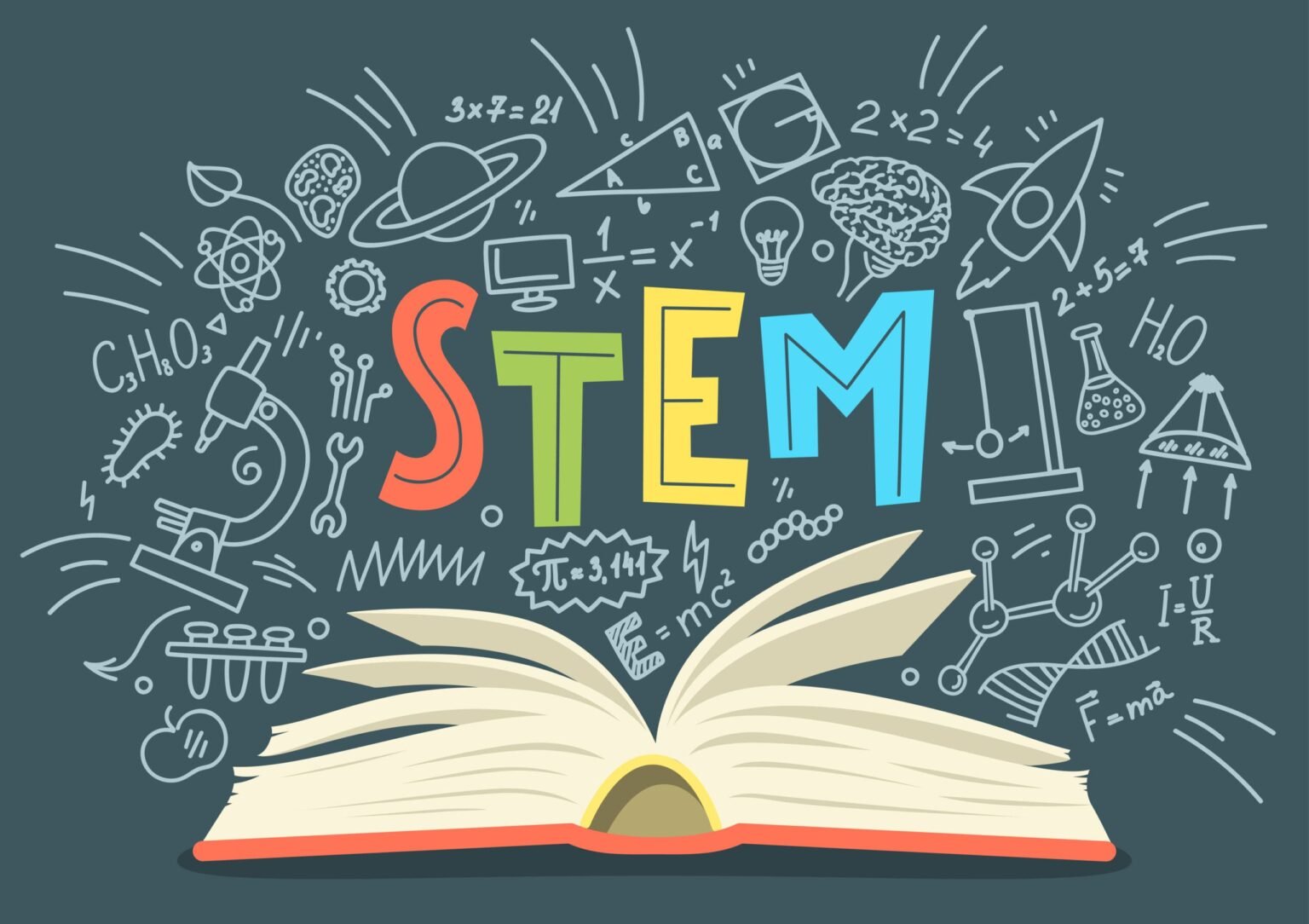
In today’s rapidly evolving educational landscape, the significance of STEM (Science, Technology, Engineering, and Mathematics) projects and competitions is increasingly recognized. Educational institutions are dedicated to fostering a culture of creativity and innovation among students, empowering them to excel in these critical fields. By combining hands-on learning with real-world applications, students gain valuable insights into how STEM concepts can be applied to solve complex problems.
Many educational centers have established themselves as hubs for K-12 education, offering a diverse range of classes and personalized coaching for STEM projects. A focus on hands-on learning enables students to engage deeply with the material, promoting an understanding of how scientific principles translate into practical applications. With backgrounds in both education and industry, educators can guide students through intricate projects that inspire curiosity and foster a love of learning.
A key element of this educational philosophy is the use of e-portfolios, which serve as digital collections of students’ achievements and learning journeys. E-portfolios allow students to showcase their projects and experiences, providing admissions officers with a holistic view of their capabilities beyond standardized test scores. This focus on growth and development is essential, as universities increasingly seek candidates who demonstrate both academic excellence and a genuine passion for their chosen fields.
Various STEM projects can significantly enhance a student’s portfolio, particularly those that align with their interests. For instance, creating automated devices or engaging in dissections not only provides hands-on experience but also helps develop critical thinking and problem-solving skills. Projects involving microcontrollers allow students to design interactive devices that respond to real-world inputs, such as measuring soil moisture or automating locks. This experience deepens their understanding of engineering principles while encouraging creativity.
Furthermore, participating in STEM competitions fosters a competitive edge in college admissions. These competitions showcase a student’s commitment to their field and provide opportunities for collaboration, leadership, and networking. Events like the World Scholars Cup and various hackathons offer platforms for students to demonstrate their skills and engage with peers who share similar interests.
The importance of interdisciplinary learning in STEM education is also highlighted. By connecting science, technology, and engineering concepts, students develop a well-rounded understanding of how these fields intersect. This approach enhances their problem-solving abilities and prepares them for the collaborative nature of modern workplaces.
Ultimately, the goal is to cultivate a generation of innovative thinkers who are well-prepared to tackle future challenges. By providing students with the tools, resources, and mentorship needed for success, educational institutions shape the next wave of STEM leaders. This commitment to fostering creativity, critical thinking, and a love of learning ensures that students are not only ready for college but also equipped to make meaningful contributions to society.
As the educational landscape continues to evolve, the emphasis on STEM projects and competitions will remain vital to student development. With dedicated guidance, students are well-positioned to thrive in an ever-changing world, turning their passions into impactful careers. The integration of STEM experiences into education not only prepares students academically but also inspires them to engage with real-world issues, ultimately shaping a brighter future.